
1. Heat Pumps: They Might Work On Paper–But Not Always in a Northeast Winter
As builders, we’re all hearing the buzz about heat pumps — high efficiency, all-electric, environmentally friendly. And sure, the technology has come a long way. But in real-world Northeast conditions, we’re still not sold.
We can see why they are beginning to pop up in the Northeast–Rebates & Incentives. Builders can tap into federal, state, and utility incentives for installing high-efficiency systems. Programs like EnergizeCT and Inflation Reduction Act (IRA) tax credits make heat pumps more affordable to the builder upfront. This reduces cost barriers for the builders, but not the consumer.
They run solely on electricity. Connecticut is significantly more expensive than most U.S. states when it comes to residential electric costs. We are the third highest in the country behind only California and Hawaii. Monthly bills will most surely exceed those of natural gas or propane systems, particularly in winter. One way to address this would be to install solar panels to the home, which again is an added cost to the consumer. Solar helps with these systems, but it still doesn’t get to a more important factor we need to consider.
When we experience cold snaps, a heat pump can struggle to keep up as they lose efficiency when the temperature gets close to freezing. In cold climates, an electric resistance or gas furnace backup (“dual fuel” setup) may be needed to maintain comfort. Most builders installing heat pumps are not providing a furnace backup–further raising complexity and cost to the new homeowner if they want to be comfortable in their new home.
Because they rely solely on electrical power, if you lose power, a heat pump system shuts down completely—just like any other electrically powered HVAC system. Something to consider for prevention here is a generator or, again, a dual fuel setup.
While heat pumps might make sense in regions with milder, more consistent temperatures, we don’t believe they’re the best fit for the Northeast. Between long stretches of sub-freezing weather, higher electric costs, and reliability concerns, traditional gas or propane systems still deliver the performance and comfort homeowners here depend on.
2. Natural Gas: The Traditional and Reliable Option
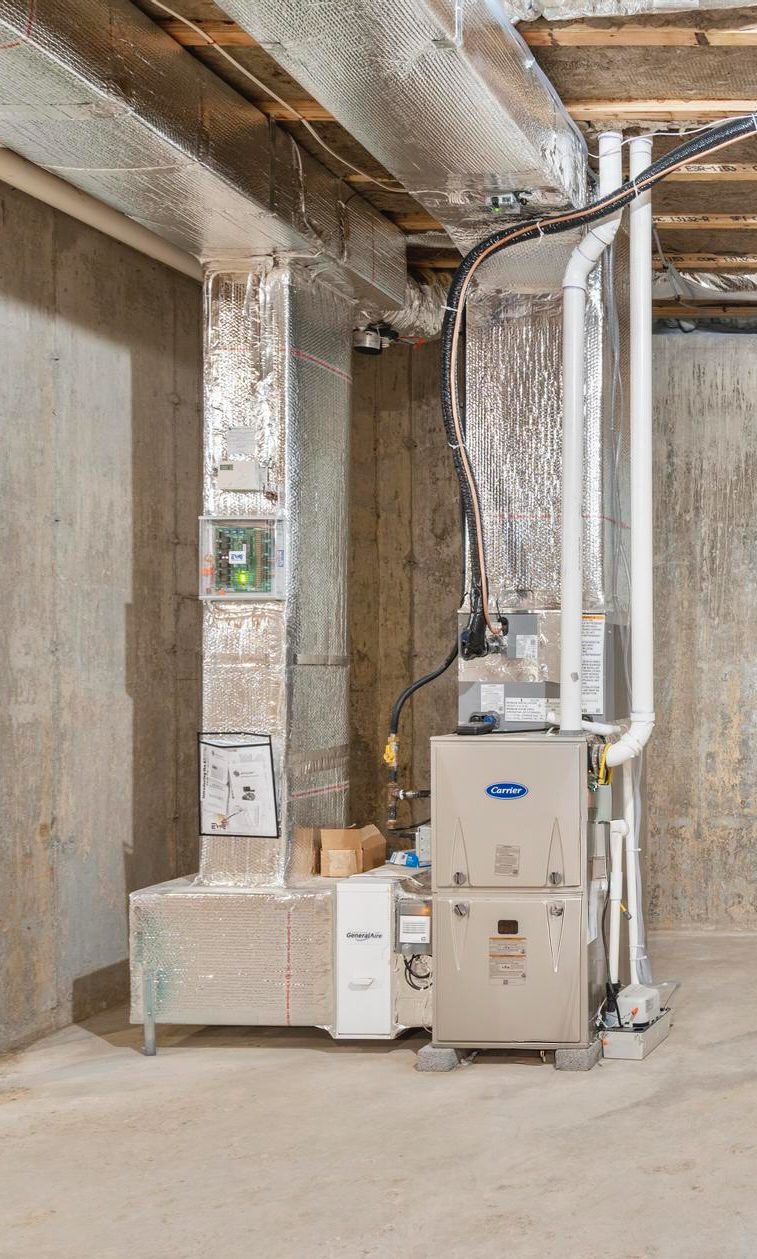
Natural gas systems remain one of the most widely used heating methods in new homes. They’re powerful, efficient, and deliver fast, consistent heat — especially ideal in larger homes or colder climates. A gas system quickly warms large spaces and provides lower energy costs where gas service is available. They’re typically long-lasting and low-maintenance.
Gas does provide carbon emissions so if you’re extremely environmentally conscious, this is something to consider. Additionally, proper venting and CO monitoring are essential when using gas heat. The code requirements for new construction homes is to have these monitoring systems continuously hardwired into your home so you can rest assured knowing this is in place giving you peace of mind.
Natural gas continues to be a dependable, cost-efficient option when utility lines are accessible. Unfortunately gas is not always readily available in Fairfield County, Connecticut, often due to topography, right-of-way, and physical barriers. When this occurs, propane is our go-to option.
3. Propane: The Flexible Solution for Off-Gas Areas
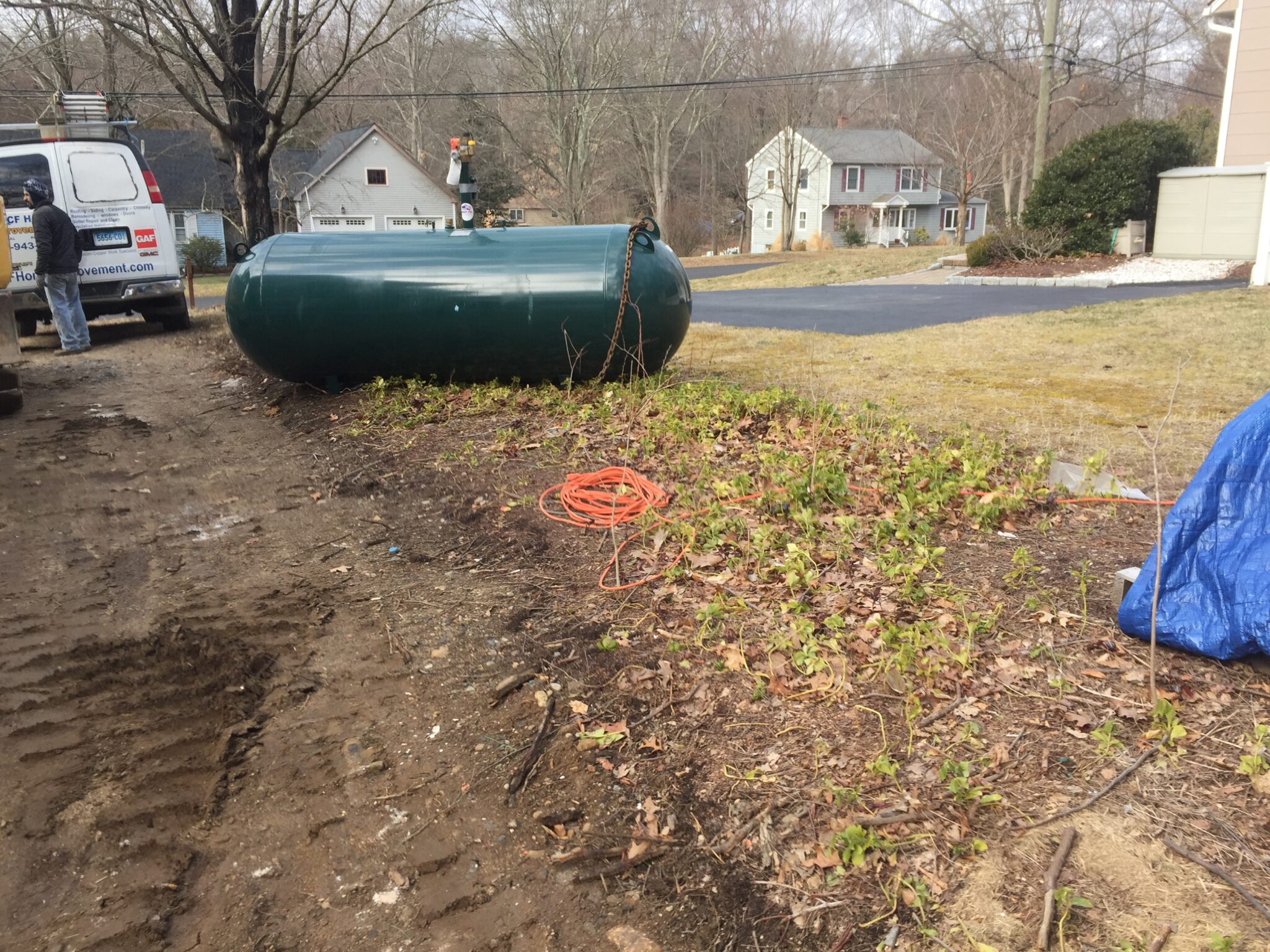
For homes built in areas without natural gas service, propane provides a powerful and efficient alternative. It offers the same comfort and warmth as gas systems but relies on on-site fuel storage. It’s ideal for rural homes or properties without gas infrastructure, performs well even in very cold temperatures, and produces fewer emissions than oil (most commonly found in older homes).Propane systems require tanks that need regular refills.
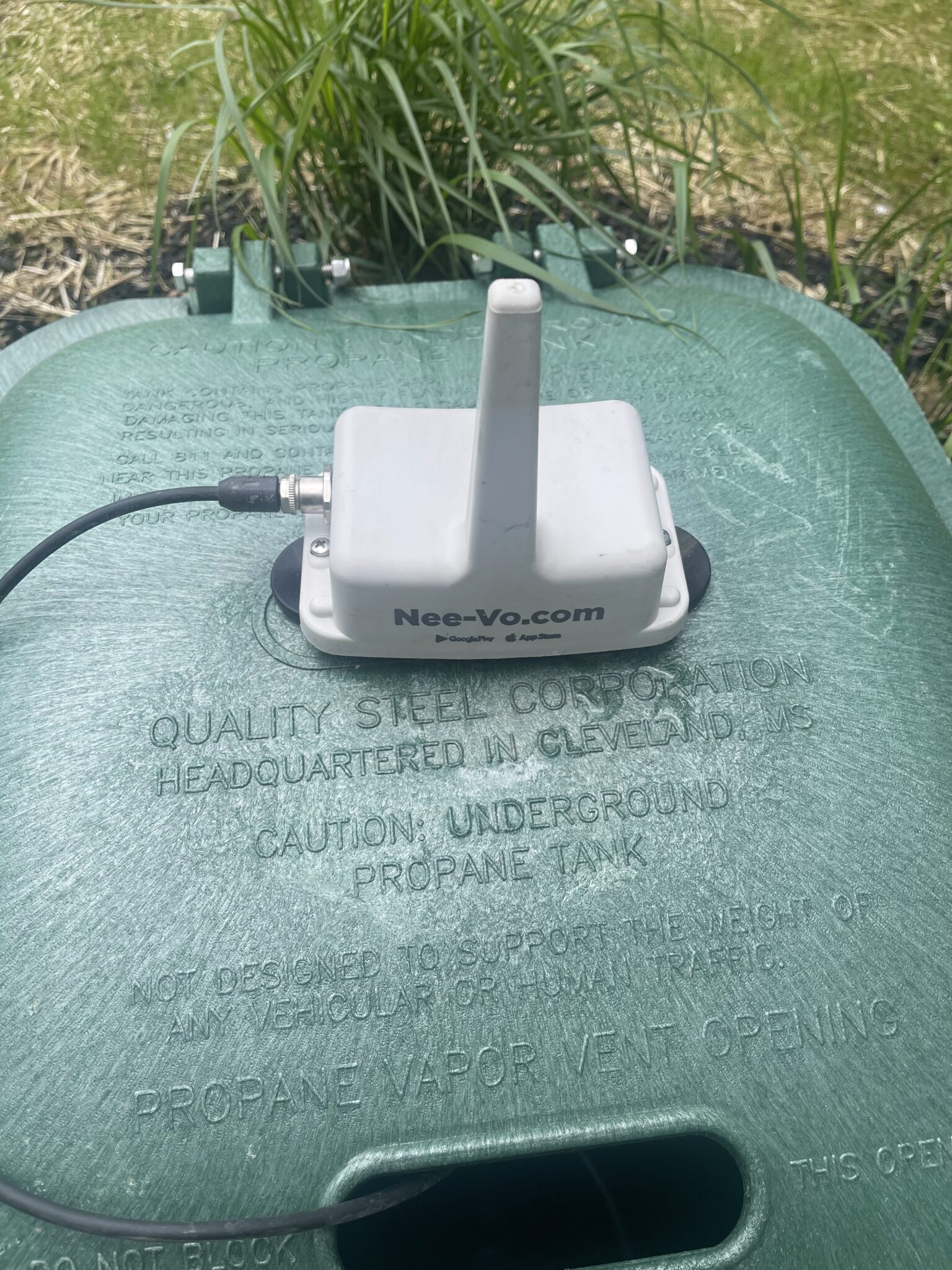
These tanks can either be placed above ground on the side or rear of the home or underground. We choose to place them underground because they provide several key advantages in appearance, safety, and long-term property value. Being underground maintains the visual appeal of the property as they’re hidden from site except for a small dome for refilling accessibility. Underground tanks are insulated naturally by the surrounding soil, which helps maintain a steadier temperature. This stability improves propane efficiency and reduces pressure fluctuations that can happen in very hot or cold weather. Protected from the elements, they also experience less surface corrosion and wear over time. Because the tank is buried, it’s less exposed to accidental impacts, such as from vehicles, lawn equipment, or falling branches. In case of a fire or other emergency, underground placement minimizes direct exposure to flames and heat. The steel tanks used for underground installation are coated with corrosion-resistant materials and often include anode systems for extra protection.Thanks to reduced exposure to sunlight, temperature extremes, and physical damage, underground tanks typically have a longer service life.
From a resale standpoint, buyers often see an underground tank as a premium installation. It preserves outdoor aesthetics and reduces the “industrial” look that can come with visible utility hardware. The initial installation cost is higher, but they tend to require less maintenance over time.
Propane costs can fluctuate with market conditions. Propane is typically only slightly higher than gas. We still feel it’s the more practical option to the consumer where gas isn’t available over other heating sources.
Propane remains a popular choice for high-end rural builds or custom homes that prioritize both comfort and independence from utility grids.
The Bottom Line
Whether a home uses a heat pump for energy efficiency, a natural gas furnace for reliable strength, or a propane system for flexibility, each option can provide excellent comfort when properly designed, supported, and installed.
At DeLaurentis Developments, we build homes designed around performance, comfort, and longevity — and selecting the right heating system is a major part of that.